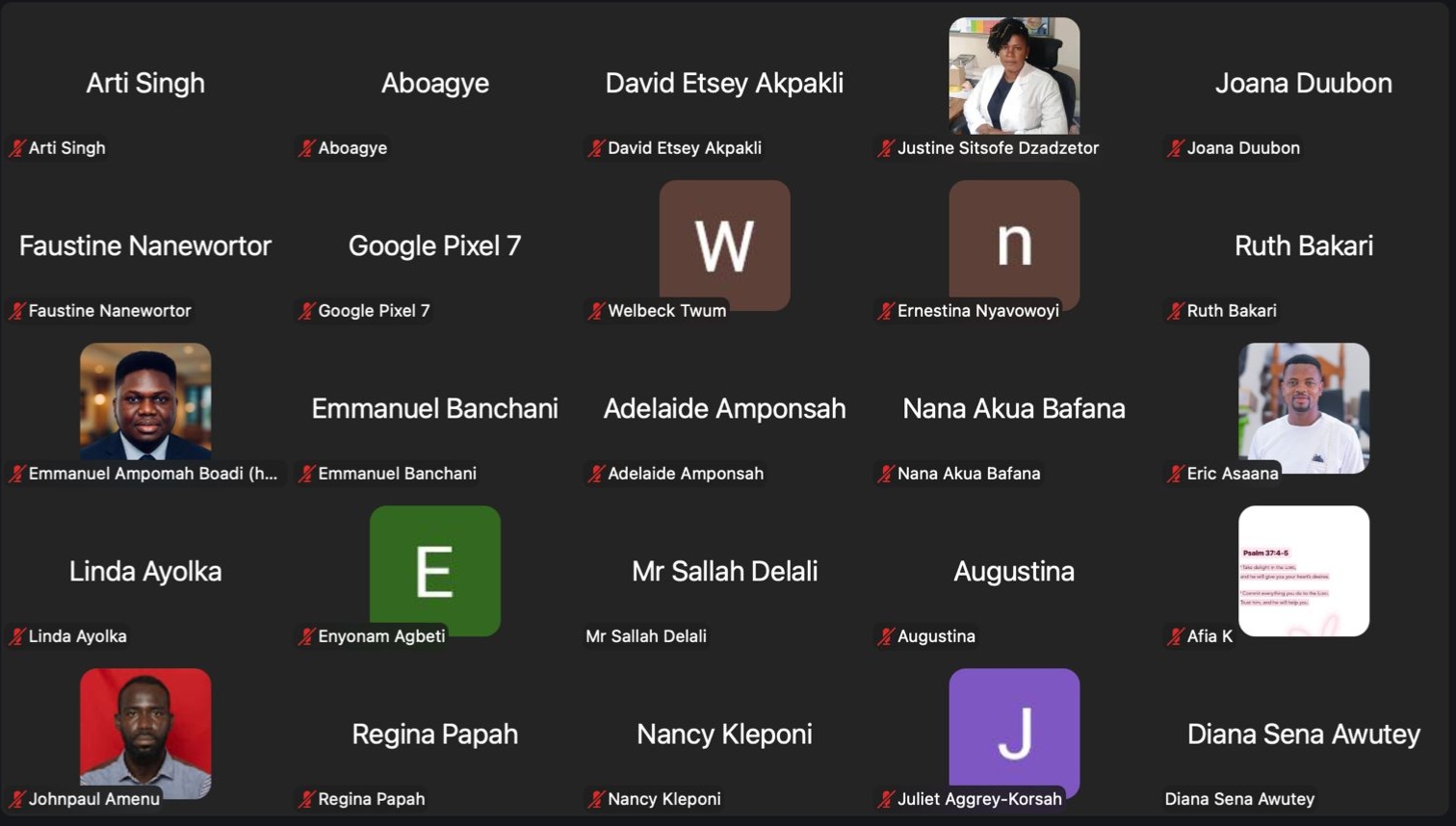
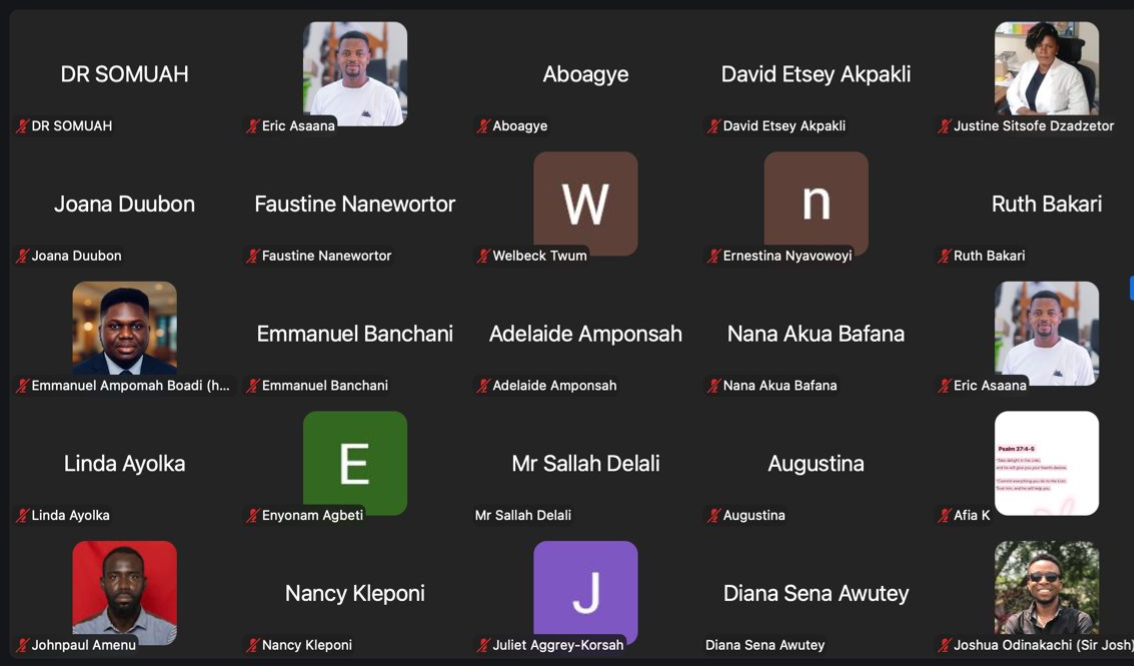
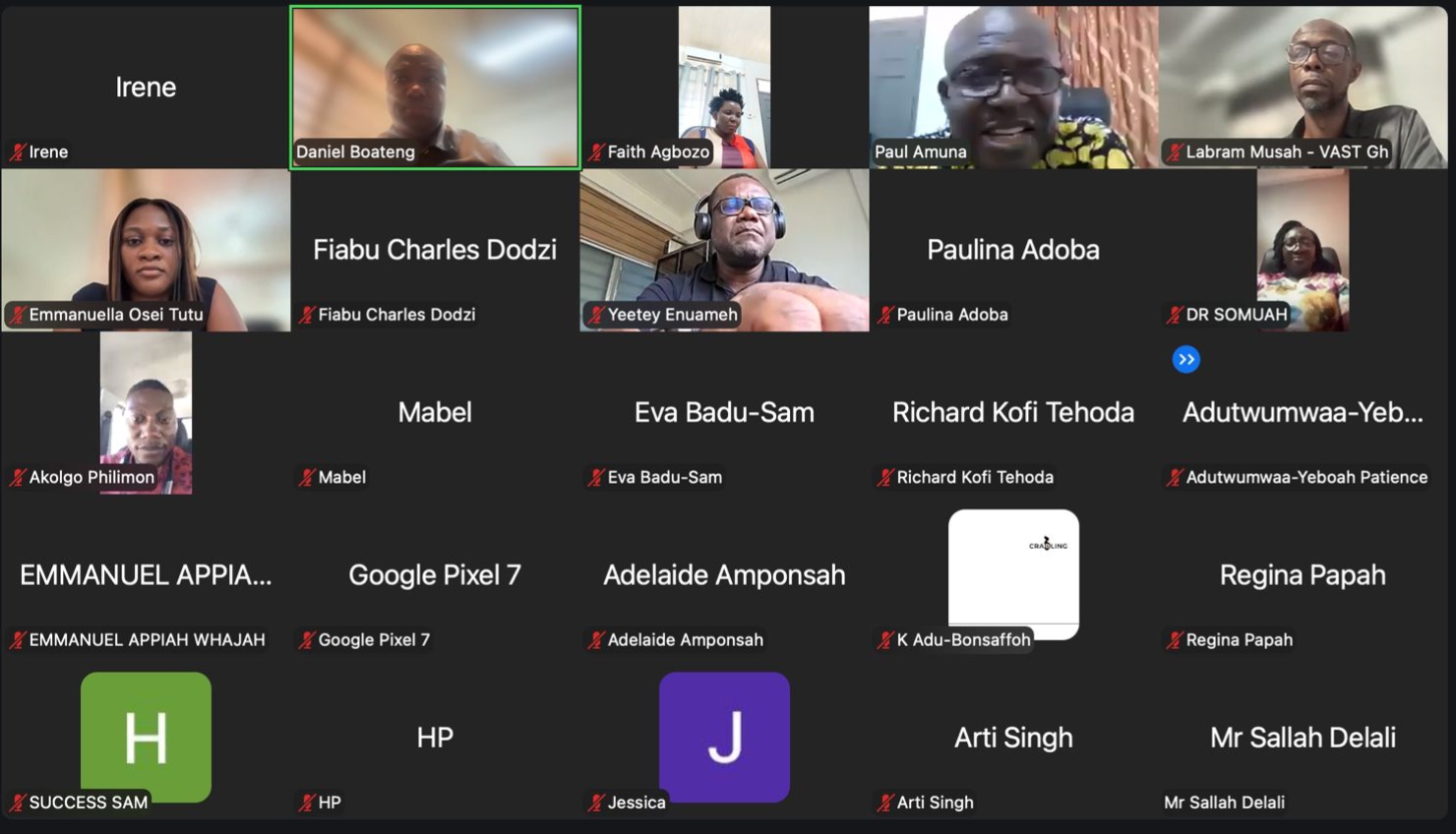
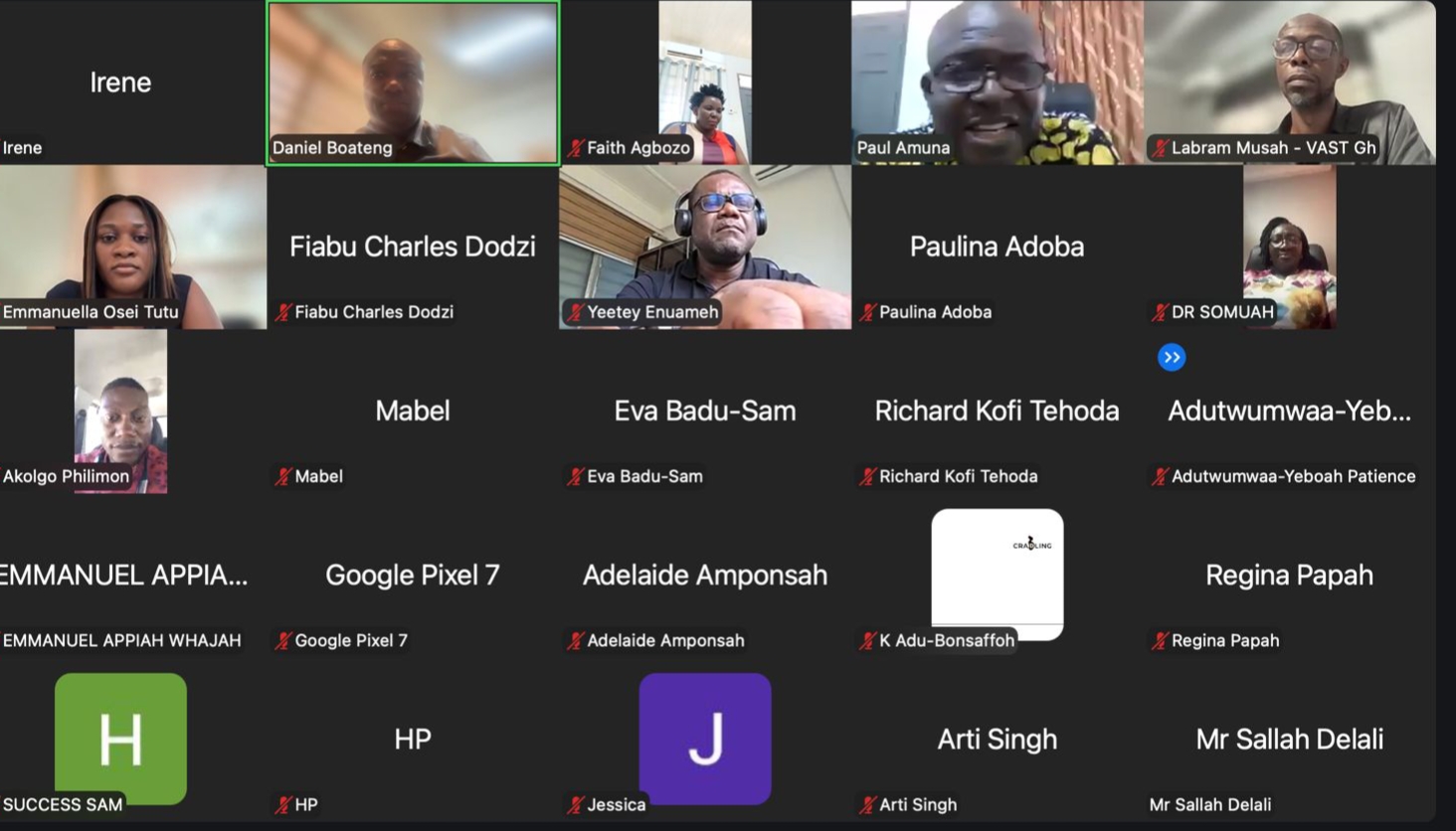
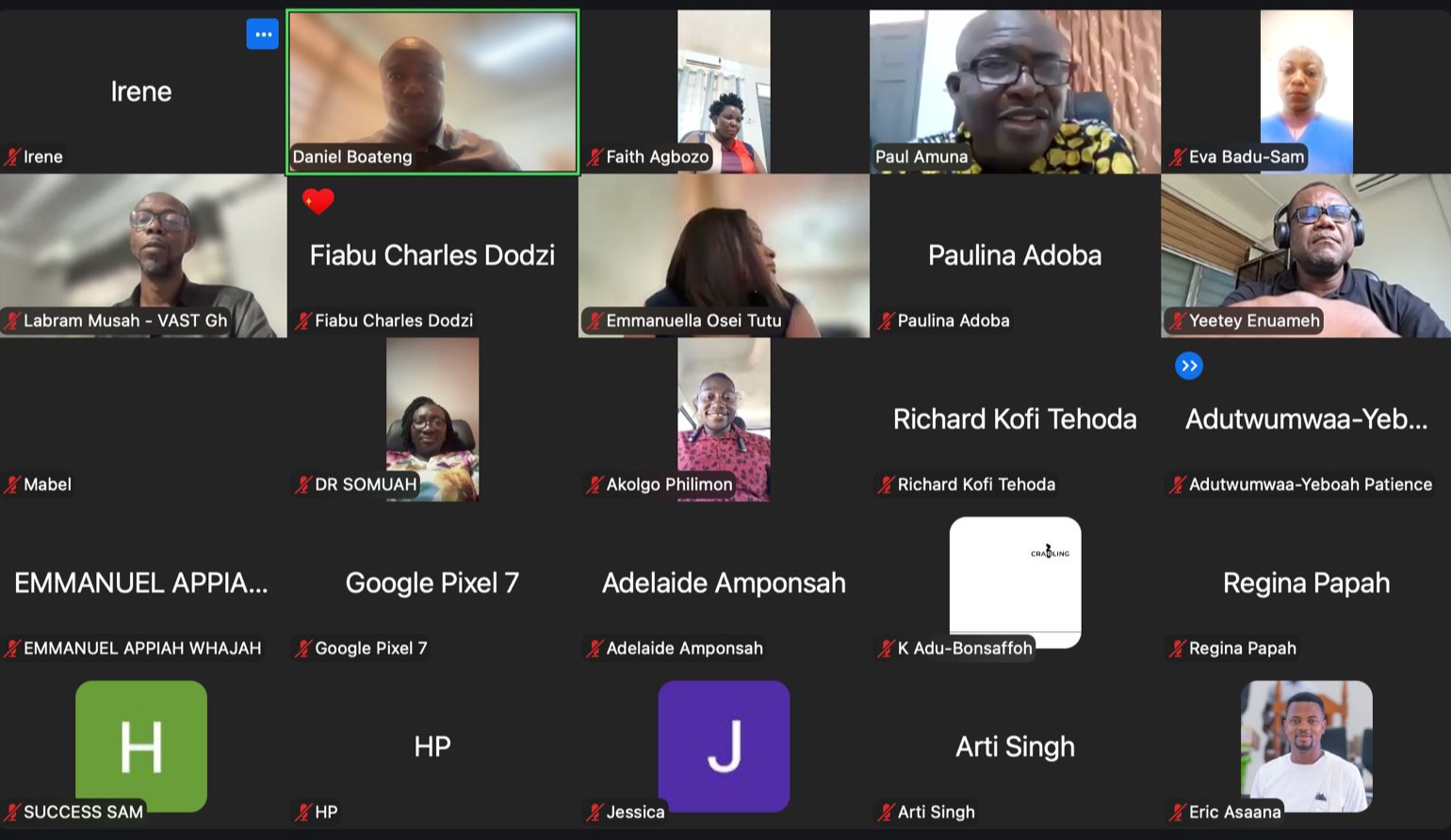
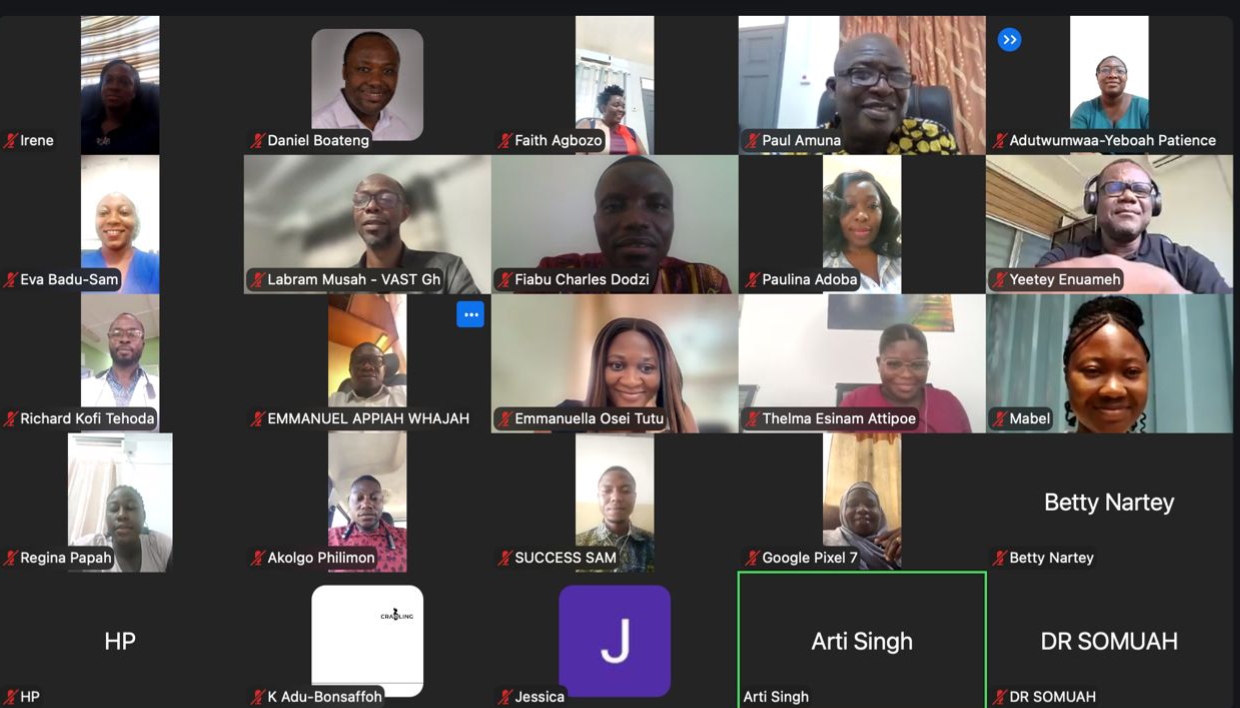
The CAPSTONE Project recently convened its second Community of Practice (CoP) Webinar on the 6th of May 2026, bringing together stakeholders from academia, healthcare institutions, government agencies, professional bodies, and civil society organizations to discuss the future of non-communicable disease (NCD) capacity building in West Africa and to discuss strategies for sustaining the initiative beyond the project period.
The webinar highlighted the achievements of the CAPSTONE Project, which has developed and piloted six innovative NCD-focused short courses across Ghana and The Gambia using a challenge-based learning approach. The courses cover areas such as NCD epidemiology and prevention, management, digital health, implementation science, and health financing. Organizers reported growing interest from participants across Africa, underscoring the need for regional scale-up.
In his opening remarks, Chairperson Prof. Paul Amuna highlighted the growing burden of NCDs across sub-Saharan Africa and emphasized the importance of collaboration, innovation, and sustainable capacity development to address the challenge. He encouraged stakeholders to continue working together to strengthen research, education, policy, and practice in NCD prevention and management.
The webinar showcased progress made under the CAPSTONE Project, including the development and delivery of innovative NCD-focused short courses across partner institutions. Participants reflected on the success of the challenge-based learning approach, which has enhanced engagement and equipped health professionals with practical skills to address real-world NCD challenges.
Discussions also focused on the Community of Practice as a platform for ongoing knowledge sharing, networking, and collaboration. Stakeholders highlighted the importance of maintaining strong partnerships with governmental, academic, private sector, and civil society organizations to sustain project achievements beyond the funding period.
An institutional experience shared during the webinar demonstrated how knowledge gained through the CAPSTONE short courses is already being applied in practice, with participants leading local knowledge-sharing activities and promoting NCD awareness within their organizations. Participants further emphasized the need for greater multidisciplinary engagement, including the involvement of allied health professionals, environmental health practitioners, patient groups, and other stakeholders whose contributions are essential to effective NCD prevention and control.
The webinar concluded with a shared commitment to expanding the Community of Practice as a dynamic and inclusive network that will continue to adapt resources, share lessons, and support capacity-building efforts. As the new MPH and short-course programmes expand across Ghana, The Gambia, and other parts of sub-Saharan Africa, the CoP is expected to grow organically, fostering regional collaboration and strengthening the response to NCDs across the continent.